
eSIM vs physical SIM: which one should you actually use?
The honest comparison — speed, convenience, security and what to pick for your next trip.
Published 25 August 2026 · Updated 25 August 2026 · By Roamza

The quick verdict
If your phone supports eSIM (most phones from 2020 onward do), use it. It's faster, safer, and you don't have to touch a SIM tray.
Convenience
- eSIM: buy, install, activate — all from your phone, before you leave home. You land already connected.
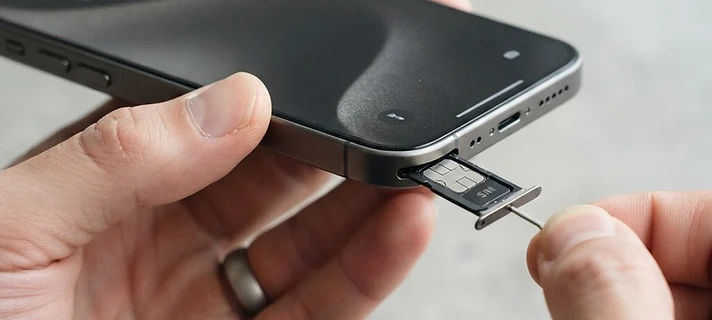
- Physical SIM: find a shop at the airport, queue, swap the tray, hope it works.
Speed
Both connect to the same networks, so real-world speed is identical. The difference is time to connected: eSIM wins by the length of an airport queue.
Security
A physical SIM can be lost or stolen. An eSIM lives on your phone's chip — it can't be dropped in a taxi. If your phone is lost, you can re-install your eSIM on a new device using the same QR code.
When a physical SIM still makes sense
- Your phone doesn't support eSIM.
- You're staying long enough that a local carrier's monthly plan is cheaper.
- You want a number for local calls and texts, not just data.
How to check if your phone supports eSIM
- iPhone: every iPhone from the XS/XR onward (2018+).
- Android: most flagships from Samsung, Google Pixel, and others from 2020+. Check Settings → Connections → SIM manager for an "Add eSIM" option.
The bottom line
For the vast majority of trips, an eSIM is the better choice — less friction, less to carry, same speed. Grab one for your destination and you're set.
Ready to travel?
Browse eSIM plans for your next destination and land ready to connect.
Browse destinations
